
When it comes to herd health, even small, everyday challenges can have a big impact. Foot rot, known to veterinarians as Interdigital Necrobacillosis, is a prime example. This stubborn bacterial infection often begins with something as simple as a minor nick, scrape, or bruise between the claws of the hoof. Yet, if left unchecked, it can quickly escalate, quietly undermining the health, performance, and profitability of your cattle.
Why Foot Rot Shouldn’t Be Ignored
It’s easy to miss the first subtle signs of foot rot. At a glance, a cow might just seem slightly off her stride. But behind that limp lies a deeper issue: pain, inflammation, and the potential for rapid infection. In the early stages, the tissue between the claws becomes swollen and reddened, and if you look closer, you might notice a distinct, unpleasant odour – a telltale sign that bacteria have taken hold. The real challenge with foot rot is how quickly it can impact your operation and your animals’ wellbeing.
- Lost gain and increased days on feed: Lame cattle spend less time at the bunk or grazing, and more time lying down, affecting average daily gain and overall feed efficiency.
- Increased labour: Animals that are slow to move or reluctant to stand require extra attention and handling, adding to your workload.
- Reproductive losses: Bulls suffering from foot rot may be less willing to breed, and in severe cases, fever can temporarily lower sperm production. This can impact conception rates and herd productivity.
- Potential culling: Chronic or severe infections can lead to permanent damage, sometimes making culling the only option.
Uncontrolled, foot rot doesn’t just affect individual animals; it can quietly erode your bottom line through lost performance and increased management costs.
How Foot Rot Finds Its Way In
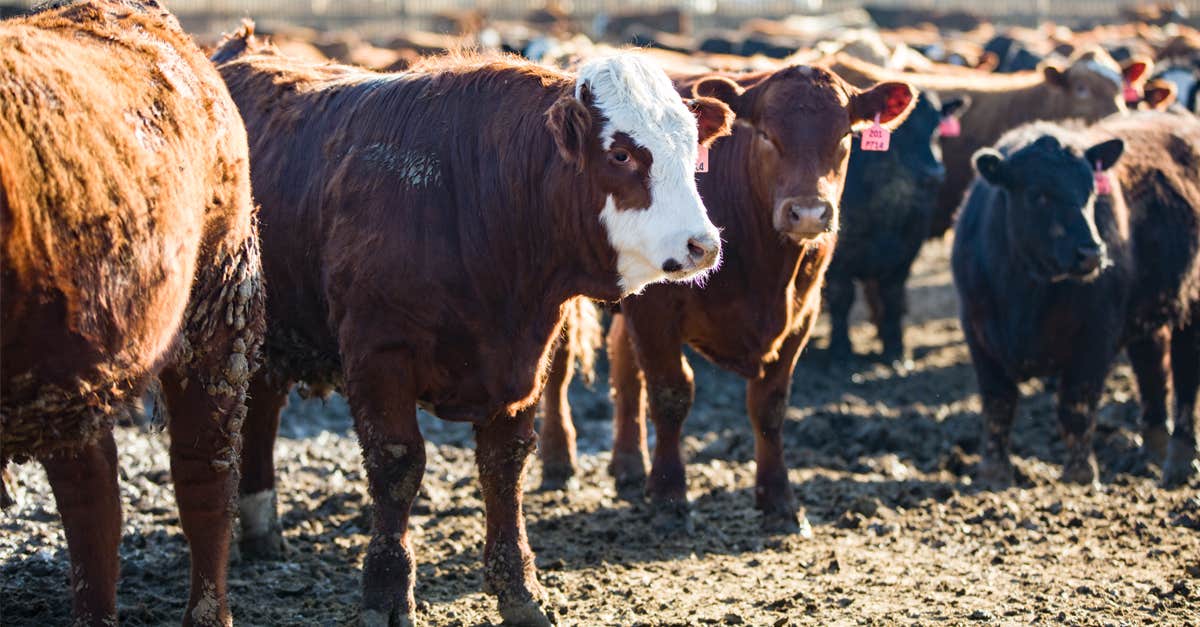
Foot rot thrives when conditions tip in its favour. Wet, muddy pens or pastures, poor drainage, and a build-up of manure all create ideal breeding grounds for the bacteria responsible. Even routine movements, like cattle crowding through gates, along feed bunks, or over rocky ground, can result in small hoof injuries that open the door for infection. Spring thaws, heavy rainfall, or extended wet periods can all make matters worse, turning even well-managed pens into potential hot spots.
For many producers, the first sign is a sudden change in gait: cattle that were sound yesterday are limping today, reluctant to put weight on an affected foot. Left untreated, swelling and heat develop rapidly, often reaching up to the dewclaws. The infection can progress quickly, leading to necrotic tissue, swelling between the claws of the hoof and, in some cases, deeper joint involvement.
Cattle on pasture pose an added challenge. The wide-open spaces and less frequent handling mean that early signs of lameness can go unnoticed for longer. Rough terrain, brush, and rocky ground can all contribute to hoof injuries, and without proper handling facilities, treatment can be delayed, giving the bacteria time to do more damage.
Prevention: Small Steps, Big Results
Lameness is one of the most frequently reported issues in beef herds, with estimates suggesting that up to one in five animals may show signs at any given time. While not every limp is foot rot, it remains one of the most common causes – particularly during wet seasons or in herds with high stocking densities. The economic impact can be significant, especially when multiple animals are affected and productivity drops across the board.
The best way to tackle foot rot is with a proactive approach that makes prevention part of your daily routine:
- Prioritize good drainage: Keep pens and pastures as dry as possible by maintaining proper grading and avoiding areas prone to standing water.
- Rotate pastures: Allow heavily used areas to rest and recover, reducing mud and manure accumulation.
- Bedding and maintenance: Regularly add clean, dry bedding to high-traffic zones like waterers, feeders, and calving pens. Remove soiled bedding and manure to limit exposure.
- Monitor your herd: Make a habit of watching for changes in gait or reluctance to move, especially during wet weather or after periods of heavy use in certain areas.
- Don’t overlook bulls: Lameness can have a direct impact on breeding performance, so routine checks during breeding season are especially important.
Early Detection Pays Off
When caught early, foot rot is typically straightforward to treat and responds well to prompt intervention. Most cases can be resolved with appropriate antibiotics and supportive care, and the cost – usually between $10 and $30 per case – is a fraction of what’s at stake if the infection lingers or spreads. However, delays in detection and treatment can result in more severe infections, longer recovery times, and, in some cases, permanent damage.
Foot rot is a common challenge on Canadian beef operations, but it doesn’t have to be a costly one. By making prevention a part of your daily management and responding quickly to early signs of lameness, you can protect your herd’s wellbeing and your operation’s bottom line.
As always, work closely with your veterinarian and your Elanco representative to develop a customized foot health strategy that fits your unique needs. Together, you can tackle foot rot head-on, keeping your herd healthy, productive, and ready for whatever the season brings.