


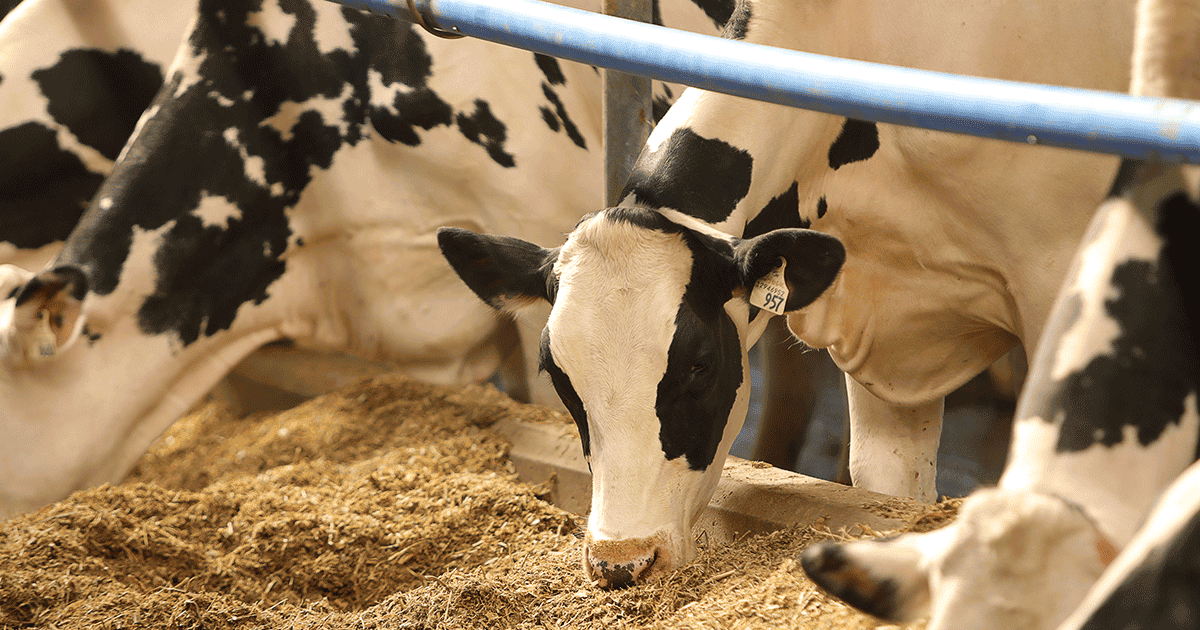
For 30 years*, Kexxtone® has been part of the toolkit for Canadian dairy producers as they manage the challenges of the transition period, a time when ketosis can impact cow health, milk production, and overall farm performance. As we recognize Kexxtone’s 30th anniversary, we’re sharing the experiences of Canadian dairy farmers who have incorporated it into their herd management routines.
Smoother Transitions, Greater Confidence:
Derrick Martin, Earlen Farms
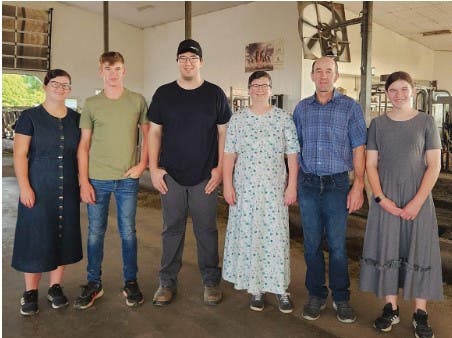
Transition periods present ongoing challenges for both cows and their caretakers. For Derrick Martin, the move to a freestall barn brought an increase in ketosis cases, leading him to try Kexxtone as an additional management tool.
“Since we started using Kexxtone, we’ve observed fewer ketosis cases and some improvements in fresh cow health,” Derrick says. “Our cows seem to adjust better to the milk cow ration.” While Derrick notes the costly investment in Kexxtone, he finds value in having another option for managing transition cows: “It offers some peace of mind during this high-risk period. As with any solution, it’s important to evaluate the return for your own herd.” His suggestion to other producers: “Talk to your veterinarian. If its right for your herd, consider giving it a try, but measure the results on your farm.”
Managing Ketosis, Streamlining Labour:
Benoit, Jean-Philippe & Nicolas Turmel, Les Fermes Turmel Inc.
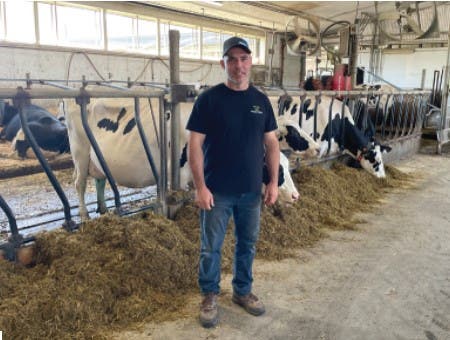
At Les Fermes Turmel Inc., ketosis was a recurring issue for the Turmel family. Initially, they reserved Kexxtone for cows considered at higher risk, mindful of cost and the need to target interventions. Over time, and in consultation with their advisors, they expanded its use to all transition cows.
“We noticed changes in our herd,” they report. “The number of ketosis cases decreased, and we’ve been able to spend less time on treatments in early lactation.” While the Turmel’s appreciate these benefits, they also emphasize the importance of working closely with their veterinarian to determine the most appropriate protocols for their operation.
Celebrating 30 Years of Real Results
For three decades, Kexxtone has played a role in how Canadian dairy producers manage the risks of ketosis during the transition period. As these farmers’ experiences show, results can vary from herd to herd, and it’s important to evaluate any management approach before putting it in place.
*Monensin capsules first registered in Canada in 1994, and indication for ketosis prevention added in 1997 specifically.
Interested in learning more about Kexxtone and how it may fit within your herd management strategy? Speak with your veterinarian or nutritionist.
The label contains complete use information, including cautions and warnings. Always read, understand and follow the label and use directions.