

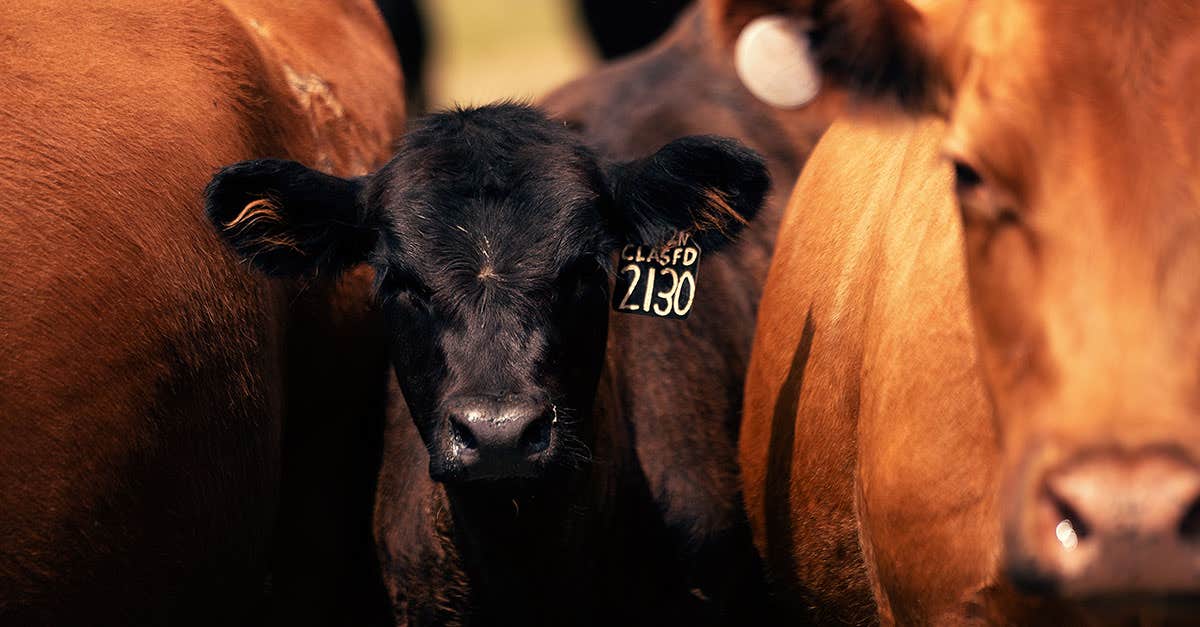
When every pound at weaning matters, even small management decisions can drive big results. Implanting suckling calves stands out as one of the most reliable and cost-effective strategies to boost growth performance and profitability in cow-calf operations; yet it’s still underutilized on Canadian farms.
Despite decades of research and industry use, only about 25% of beef producers choose to implant their calves prior to entering the feedlot, compared with more than 90% adoption in feedlot settings.1 That means there’s a significant window of opportunity for cow-calf operations to capture more value, improve efficiency, and set the stage for long-term herd success.
Feed + Implants = More Pounds + More Profit
Implants work as growth promotants, helping calves make the most of the nutrients available to them. When calves have access to good feed or high-quality pasture, the benefits are substantial. Research shows that implanting suckling calves leads to an average daily gain increase of about 0.10 pounds in steers and 0.12 to 0.14 pounds in heifers.2 Over the full nursing period, that adds up to an extra 15 to 40 pounds of weaning weight – pounds that directly impact your bottom line.
The science is clear: these gains come from improved feed conversion and lean tissue development, making implants a smart addition to a well-managed nutrition program. However, implants can’t create weight gain without adequate nutrition. Calves need access to sufficient nutrients for implants to have their full effect.
On top of these physical gains, implants offer one of the highest returns on investment in beef production, often exceeding ten to one. With average weaning weight increases of 15 to 40 pounds and minimal costs, producers can realize an additional $60 to $100 per calf, depending on market conditions.3 That’s value that’s hard to ignore.
There’s also a sustainability benefit: faster gains and better feed efficiency mean fewer resources and less greenhouse gas per pound of beef produced. While total emissions per animal stay the same, the carbon footprint per unit of beef drops, making your operation more efficient and environmentally responsible.
Timing, Technique & Common Questions
Getting the timing and technique right makes all the difference. Most calves are implanted around 45 days old. If choosing to implant heifer calves, they must not be implanted younger than 30-45 days of age depending on the product used and should not be implanted more than once if intending to keep for breeding purposes. Bull calves intended for breeding should never be implanted.
Proper administration is straightforward but essential. Use clean equipment and calm handling to reduce stress and avoid complications. Place the implant subcutaneously in the outer third of the ear, between the skin and the cartilage while avoiding major blood vessels. Abscesses are the most common issue, usually resulting from poor hygiene or damaged needles, so regular cleaning and disinfecting between animals is key.
We often hear concerns that early implant use might harm later feedlot performance or carcass quality. But years of research from universities such as South Dakota State and Oklahoma State have consistently shown that suckling and stocker implants have minimal effect on subsequent feedlot gains or carcass traits. Implanted calves typically arrive at the feedlot heavier, and since re-implantation is standard practice in feedlots, there’s no reason not to take advantage of the early boost.
Breaking Down Barriers & Taking the Next Step
The main barriers to wider adoption of calf implants aren’t about evidence, they’re about awareness and confidence. Many producers are simply unfamiliar with the process or uncertain about proper technique. Educational resources like demonstration videos, extension workshops, and on-farm training can make implanting second nature, helping more producers reap the benefits.
Want to see how it’s done? Check out our implant administration demo video for step-by-step guidance and tips to ensure safe, effective results.
Implants are a proven tool for driving growth, profitability, and sustainability. With nearly all feedlots relying on implants and the research backing their safe and effective use, extending this practice to the cow-calf stage is a practical next step for building a more productive and resilient beef industry.
If you’re looking to unlock early gains and stronger profits for your herd, talk to your veterinarian or Elanco representative. Together, you can develop an implant program that fits your operation’s needs and keeps your calves, and your business, moving forward.
- BCRC. 2022. Accessed on 08/15/22 <https://www.beefresearch.ca/topics/hormones-other-growth-promotants-in-beef-production/>
- Selk G. 1997. In Proc. Impact of Implants on Performance and Carcass Value of Beef Cattle. 1997. 40.
- Kuhl GL. In: Proc. Impact of Implants on Performance and Carcass Value of Beef Cattle. 1997. 51-62.