


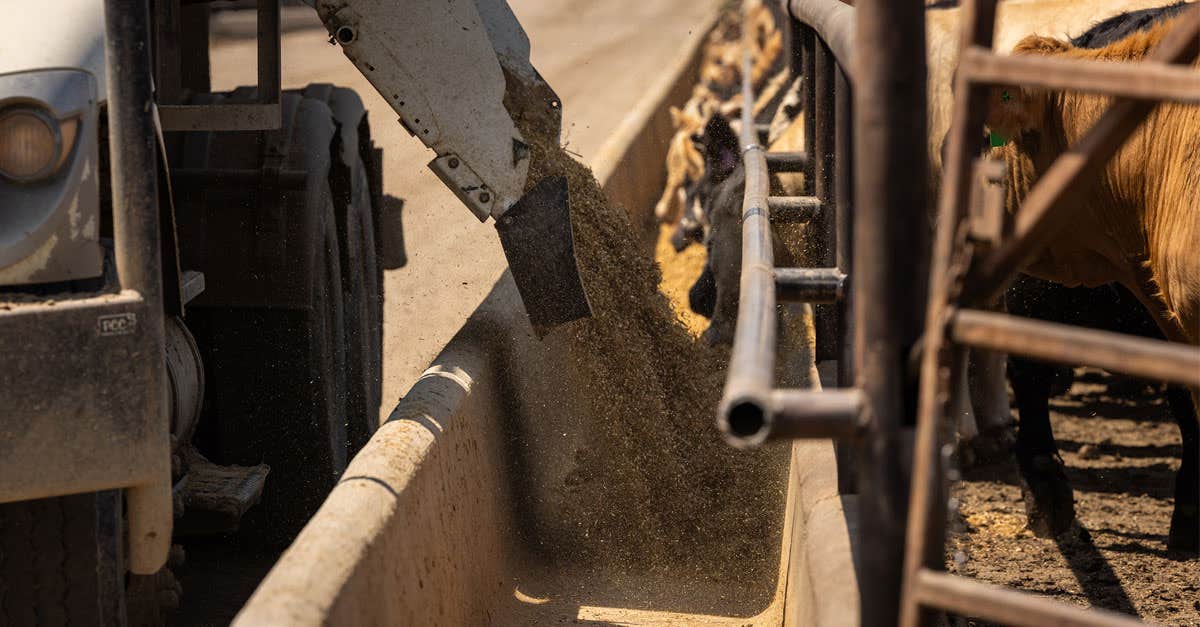
As beef producers and feedlot operators are well aware, feed represents one of the operation’s largest costs. When you can improve how efficiently your cattle convert feed into weight gain, that difference compounds throughout the feeding period, capturing more value from every kilogram of feed.
Rumensin® helps beef cattle do exactly that. Used to improve feed efficiency in feedlot steers and heifers, and to support weight gain in growing cattle on pasture, Rumensin helps make sure more of what you’re feeding actually counts toward production.
How Rumensin Works
Rumensin’s active ingredient, monensin sodium, works inside the rumen by altering and shifting bacterial populations. Specifically, it increases production of propionic acid – a key energy source for the animal and critical for glucose production in the liver. This allows cattle to extract more usable energy from every kilogram of feed they consume.
This shift in rumen fermentation is consistent across different feed types and cattle conditions. Research analyzing 11 feedlot trials involving more than 11,000 head fed different finishing rations showed that when dosage increased from 36 mg/kg (100% DM basis) to 48 mg/kg, feed conversion improved by up to 0.07 units.1 That means cattle required approximately 0.07 fewer pounds of feed per pound of gain across the entire feeding period. This compounds into significant cost savings and improved profitability, with a net profit per head equating to $3.65.2
Rumensin also supports growing cattle through approved uses that increase weight gain in younger animals on pasture, as well as help prevent coccidiosis. Both of these benefits – improving rumen fermentation and killing coccidia in the small and large intestines – help younger cattle grow more efficiently and stay healthy during a period when the condition can set development back significantly.
Managing Performance Across Different Cattle Types
Rumensin is a vital feed additive to enhance animal performance and productivity in all stages of growing, backgrounding, and finishing cattle.
If you’re backgrounding cattle on pasture, Rumensin integrates into your operation differently than it does in a feedlot. Your cattle are consuming variable forages or forage-based rations across changing seasons, and growth occurs in less-controlled conditions. Rumensin supports performance in this environment through daily hand-fed feeding at 200 mg per head in supplement.
For operations already running a supplement program, Rumensin fits into existing workflow and infrastructure. You’re delivering consistent nutrition daily anyway; adding Rumensin to that routine means your cattle get the same performance support that feedlot cattle do but adapted to pasture conditions.
Research in grazing cattle documented an 8.5% increase in daily gain compared to untreated controls.2 For stockers and feeder calves still developing on pasture, this benefit helps cattle grow more efficiently during a critical growth period.
Response to ionophores like Rumensin are typically stronger in higher-forage rations, so those cattle on pasture and backgrounding rations in grazing environments will see slightly larger benefits compared to cattle on high-concentrate finishing rations. This is an important consideration when planning your Rumensin strategy across different production phases.
Dosing for Consistency
Capturing the full value of Rumensin means getting dosage right and ensuring consistent mixing. Rumensin must be fed daily to ensure the effects are seen throughout the entire feeding period. Rumensin’s active ingredient (Monensin) works within your complete diet, so dosage should always be calculated based on your total ration on a dry matter basis.
- For Feedlot Cattle: The approved dosage range is 33 to 48 mg/tonne (100% DM basis) in the complete diet.3 This range gives you flexibility depending on your specific goals and economics.
- For Coccidiosis Prevention: The dosage is 22 mg/tonne (100% DM basis).4 This lower dose is specifically calibrated to prevent intestinal coccidia while maintaining cattle performance.
- For Growing Cattle on Pasture: Rumensin is dosed at 200 mg per head daily, delivered through daily supplement.4
What happens if you dose too low? Dosing below the label claim range – or receiving inconsistent doses due to poor mixing – may result in diminished performance effects. More critically, you risk losing coccidiosis protection. Coccidiosis outbreaks can quickly erode productivity and profitability, compromising calf health and performance through diarrhea, reduced feed efficiency, slower weight gain, and increased treatment costs and labor demands.
What happens if you dose too high? Dosing too high – above 48 mg/kg – may lead to decreased dry matter intake. Just as underdosing undermines your investment, overdosing can compromise animal welfare and performance. It is important to always read and follow label instructions and directions for use.
Monitoring for Success: Producers should watch for signs that cattle may not be receiving the intended dosage, including:
- Higher-than-expected feed intake
- Poorer-than-expected feed efficiency
- More cases of coccidiosis than usual
Changes in intake patterns, ration consistency, cattle stress, or management conditions can all impact the effectiveness of Rumensin and may signal that dosing or delivery needs adjustment. Work with your nutritionist or veterinarian to troubleshoot any performance gaps.
Ensuring Even Distribution: All premixes and supplements need to be thoroughly incorporated into the total daily diet or the grain portion of the ration before use. Rumensin Premix is formulated with Microtracer to ensure even distribution throughout feed. This helps to avoid inconsistent mixing that may result in some cattle receiving higher dosages and others receiving less than intended which can ultimately compromise your results.
Feed Efficiency and Health Start Here
Managing feed efficiency and herd health across your production cycle is fundamental to cattle performance. The better you understand how your cattle use energy from feed and how to prevent disease losses, the better positioned you are to improve results across your herd. Rumensin works within your existing feeding program to support both objectives, helping you tailor your ration to your operation’s needs and capture more value from every pound of feed.
Because every operation’s feed program is different, working with a veterinarian and/or nutritionist can help determine the right dosage for your herd and ration. When you choose Rumensin, you also gain access to Elanco’s suite of support tools and knowledgeable representatives to help you get the best results.
The label contains complete use information, including cautions and warnings. Always read, understand and follow the label and use directions.
1. Elanco Data on File
2. Elanco Data on File
3. Elanco Data on File
4. Elanco Data on File