
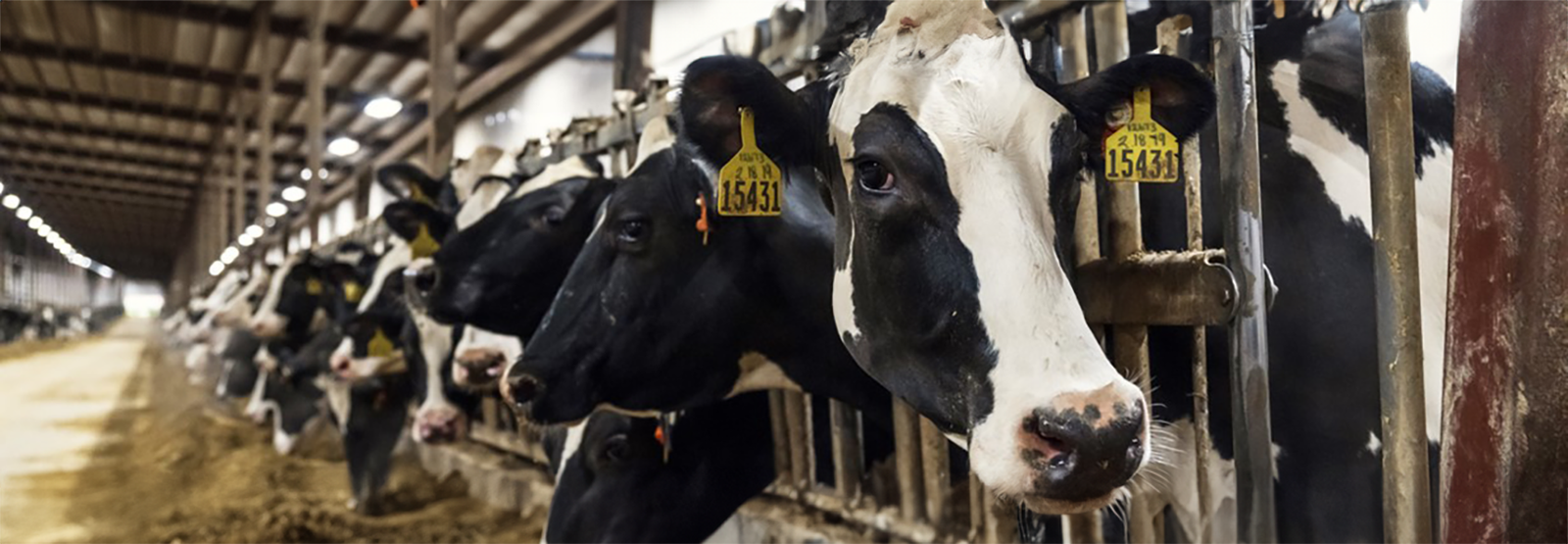
As cows transition into milk production, their energy and nutritional needs increase—coinciding with heightened metabolic stress and a greater susceptibility to disease.
It’s essential to carefully monitor cattle health during this transition period, which begins three weeks before calving, and continues through early lactation, or until roughly three weeks after calving.
“We recognize that most dairy diseases occur within the critical window from three weeks before to three weeks after calving. At Elanco, we adopt a holistic approach to ensure animals remain healthy and maintain high production,” says Dr. Erin Horst, Elanco dairy technical consultant.
This holistic approach may include vaccines, anti-infectives, and nutritional health-based products that target inflammation and mycotoxin prevention.
Minimize Stress
Because there is no single, silver-bullet solution for safeguarding transition cow health, it’s important to consider multiple factors to enhance overall health.
And it starts with management.
“That's always going to be number one,” notes Horst. “We must manage to minimize stress. Stress can manifest in various ways. When we move a cow to a new pen, she faces a new social hierarchy, which causes stress. When we put her in a crowded pen, that also creates stress. Exposure to these stressors results in activation of the immune system, which ultimately steals energy away from productivity.”
Optimize Health Through Nutrition
The energy and nutritional needs of postpartum cows increase exponentially, which increases metabolic stress and the risk of disease development. Nutritional additives can proactively address potential stressors, thereby reducing further immune insult exposure and limiting the diversion of energy away from productivity.
How can we optimize health through nutrition to support fetal growth and milk production?
One example of a proactive approach that can be achieved through nutritional additives is reducing exposure to mycotoxins in feed. Mold in feed, even when non-toxic, can reduce feed intake, cause digestive disorders, suppress immunity, and more.
“It’s becoming more common for mycotoxins to be present in the feed that we provide, even when we're well-intentioned,” Horst says. “Having an approach to mitigate that risk by including a binder as an insurance policy is a great approach.”
Horst also suggests using Elanco Dairy Relieve™ to target inflammation. Dairy Relieve is a feed additive that helps support cows from calving to 100 days in milk.
“Inflammation is the downstream consequence of stress. Reducing it helps us to combat the negative consequences of stress exposure,” she says.
Monitor Cows
Being attentive to changes in animal health, behavior, and feed intake is another crucial factor in ensuring cows remain healthy and disease-free during the transition period.
Elanco is deeply invested in advancing dairy herd health through innovation in disease prevention, animal welfare, and sustainability. Elanco’s dairy health initiatives include the development of vaccines to protect herds against emerging threats.
For more information about managing transition cow health, visit Elanco.com or contact your local veterinarian or Elanco representative.
Dairy Relieve, Elanco, and the diagonal bar logo are trademarks of Elanco or its affiliates. PM-US-26-0469