




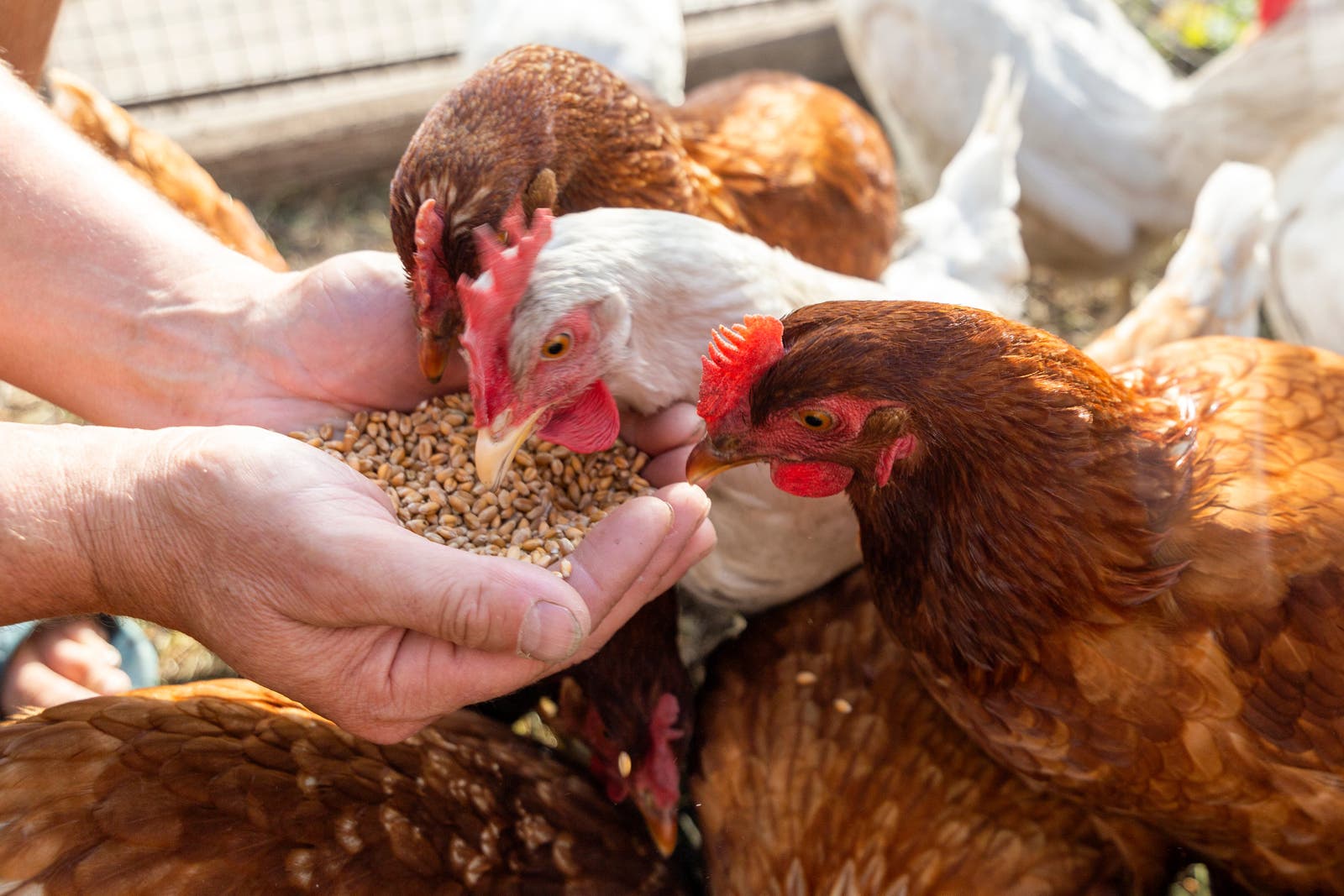
Necrotic enteritis (NE) stands as one of the most significant challenges facing the poultry industry globally. The intestinal disease can lead to mortality rates as high as 50%, posing serious threats to animal welfare and resulting in substantial economic losses.1 It is estimated that the economic impact of NE on the global broiler industry reaches between $5-6 billion annually, primarily due to increased mortality, reduced productivity and treatment costs.2
Implementing a robust intestinal health strategy provides a dual benefit: it protects bird welfare while supporting financial growth. By adopting a preventative stance, farmers can significantly decrease their dependence on antibiotics and other medications, enhance feed efficiency and elevate overall farm productivity. A comprehensive gut health program enables producers to maximize flock performance and vitality, creating a win-win scenario for both animal welfare and business success. This proactive approach not only addresses immediate health concerns but also contributes to long-term sustainability in poultry production.
Causes and Consequences of Necrotic Enteritis
NE is primarily caused by the bacterium Clostridium perfringens, which is naturally found in the intestines of healthy birds. However, under certain conditions—such as dietary changes, immune suppression or intestinal damage—this bacterium can proliferate excessively. The overgrowth leads to toxin production that damages the intestinal lining, impairs nutrient absorption and can result in symptoms such as diarrhea, lethargy and in severe cases, sudden death. The risk factors for NE outbreaks include:
- Dietary Changes: High levels of non-starch polysaccharides (NSPs) from grains like wheat, rye, and barley can increase gut viscosity and promote bacterial overgrowth.3
- Immunosuppression: Conditions such as viral infections or poor housing can weaken a bird's immune response.
- Intestinal Damage: Damage from coccidia or other pathogens can create an environment conducive to NE.
The combination of these factors during critical growth periods exacerbates the economic burden on producers.
Diagnostics Difficulties in Identifying NE
Diagnosing NE can be particularly challenging for poultry producers. Affected birds often exhibit nonspecific symptoms such as ruffled feathers, diarrhea and decreased appetite. The disease can progress rapidly, with early mortality frequently linked to concurrent infections like coccidiosis. Diagnosis typically relies on post-mortem examinations that reveal characteristic lesions in the small intestine. This underscores the necessity for proactive management strategies aimed at maintaining intestinal health before symptoms manifest.
Advantages of an Intestinal Integrity Program
Implementing a well-structured intestinal integrity program offers numerous benefits that are vital for maintaining flock health and enhancing productivity:
- Improved Feed Conversion Ratio (FCR): A healthy gut optimizes nutrient absorption, allowing birds to convert feed into body mass more efficiently. This results in lower feed costs and improved growth rates.
- Enhanced Immune Function: Birds with robust gut health are less susceptible to infections like NE and coccidiosis. Stronger immunity means that flocks expend less energy fighting diseases and more on growth and production.
- Cost Efficiency: By focusing on prevention rather than treatment, producers can significantly reduce medication costs and labor associated with managing sick birds. This efficiency is especially crucial in No Antibiotics Ever (NAE) production systems.
- Consumer Demand Alignment: As consumer preferences shift towards antibiotic-free poultry products, effective gut health management becomes essential for meeting market expectations while maintaining profitability.
Utilizing Date for Effective Management
The effectiveness of intestinal integrity programs is greatly enhanced when supported by advanced monitoring tools. For instance, the Intestinal Integrity Index (I²) provides a framework for assessing flock health based on performance data over time. This tool enables producers to:
- Monitor gut health metrics continuously
- Identify trends and potential issues early
- Adjust feeding strategies or environmental conditions proactively
By leveraging data-driven insights, producers can quantify the economic impact of gut health on overall flock performance. This information not only aids in making timely interventions but also supports broader industry efforts aimed at enhancing sustainability and profitability.
Investing in an intestinal integrity program is crucial for achieving optimal productivity and profitability within the poultry industry. This proactive approach not only helps prevent diseases like necrotic enteritis but also reduces reliance on antibiotics while enhancing overall flock health and efficiency. By utilizing data-driven decision-making tools such as the I² Index, producers are empowered to make informed interventions that lower mortality rates and treatment costs.
While establishing a comprehensive intestinal integrity program may require an initial investment, the long-term benefits far outweigh these costs. In today’s competitive poultry market, prioritizing gut health management is not just a best practice; it is essential for sustaining operational success and meeting consumer expectations for high-quality poultry products.
Elanco and the diagonal bar logo are trademarks of Elanco or its affiliates.
1Caly, D. L., Auclair, E., and Drider, D. 2015. "Alternatives to Antibiotics to Prevent Necrotic Enteritis in Broiler Chickens: A Microbiologist's Perspective." Frontiers in Microbiology. 6. https://doi.org/10.3389/fmicb.2015.01336.
2Fathima, S., Al Hakeem, W.G., et al. 2022. "Necrotic Enteritis in Broiler Chickens: A Review on the Pathogen, Pathogenesis, and Prevention." Microorganisms. 10. https://doi.org/10.3390/microorganisms10101958
3Godbout, A., Edwards, J., et al. 2024. "Effect of a Multiactivity Non-Starch Polysaccharide Degrading Enzyme on Broiler Growth Performance and Nitrogen Utilization: A Meta-Analysis of Own Trial Data." Animal - Open Space. 3. https://doi.org/10.1016/j.anopes.2024.100065